

After 30 years of pet sitting and dog walking, I hung up my leash for good. What led me to this decision, and how did I handle the transition? Read on…
To get to the end, we must start at the beginning.
I started my pet sitting career in 1994 in San Francisco.
In those days, pet sitting and dog walking was a new professional field more common in cities. Picture the stereotypical image of an urban dog walker going down the street with 10 dogs. There was very little competition, at least from other professionals. Sure, many people utilized the services of a friend or neighbor when they went out of town, but there weren’t a lot of businesses offering this service. Significantly, there was no internet.
After a year working for my boss in SF, I moved to San Mateo and started my own company. I loved the work, and I am a dyed in the wool entrepreneur. I maintained a good relationship with my former boss, referring work in her area, and she referred work in my area.
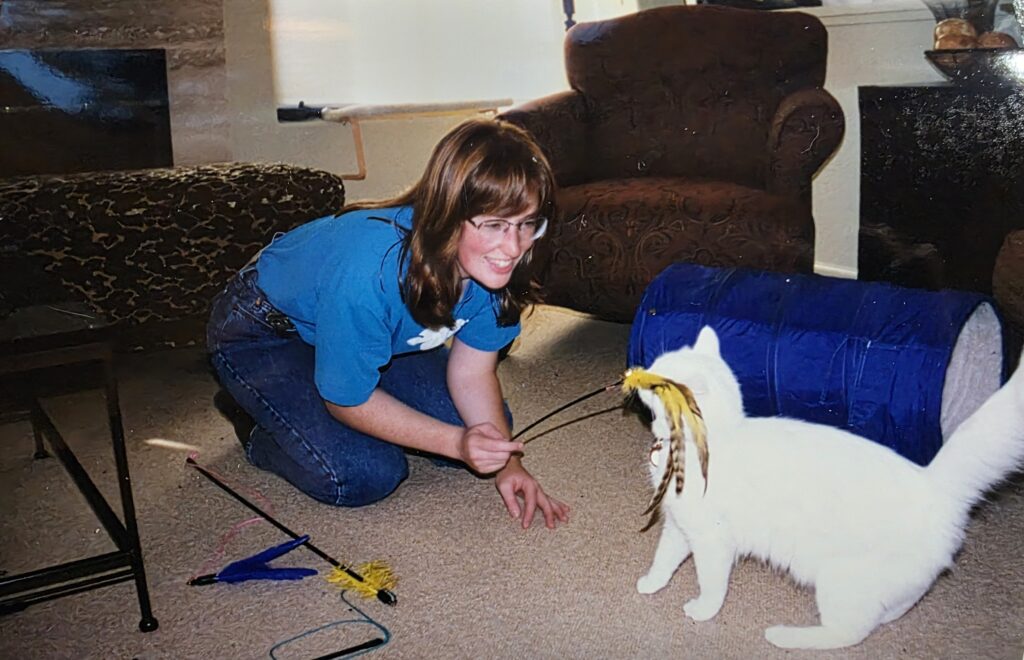
I ran a successful business in San Mateo County for a decade, due in large part to the growth in the area at the time culminating in the Dot-Com Boom. At its peak around 2000, I was making more than $100k a year! I sold that business and moved to Santa Clara County where I did some part-time pet sitting, then to Sonoma County where I live today.
Pet sitting in today’s world.
In the 2010’s I found pet sitting to be a much less lucrative business. Back in the day, myself and other pet sitters worked hard to maintain the professional image of our profession. We worked hard, ran our businesses legally, and maintained high standards. We joined trade organizations like National Association of Professional Pet Sitters and Pet Sitters International.
And then … there was Rover and Wag. I can’t knock them, as it’s not against the law for folks to open competing businesses. The only problem is that these platforms created an unfair advantage over professionals by paying gig workers much less than they would make on their own. Sitters working through these apps use them because they generate many leads and they are convenient, but the company takes a hefty cut of the listed price.
Today there are so many sitters using them that prices are crazy low in what’s called a “race to the bottom.” There’s no way a professional running a legal business can compete with someone offering to work for much lower than minimum wage.
But I digress… I ran my business in Sonoma County for about a decade, but it was never full-time like it was in SF or SM. The gig apps were one factor, but also expectations and economic climate have changed. Pet owners overwhelmingly prefer care in the sitter’s home, which is for the most part not legal, and not what traditional pet sitters do. I never wanted other people’s dogs in my home for many reasons, so that wasn’t something that I got into.
A new direction.
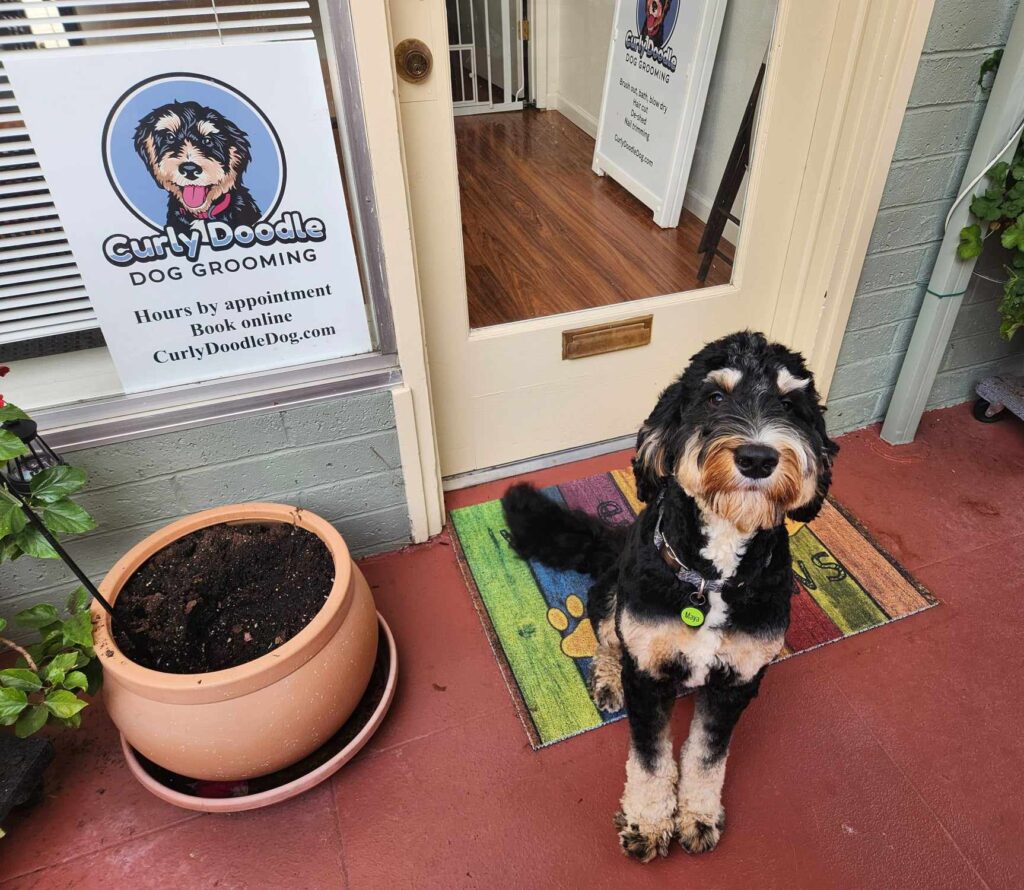
In 2023 I started a dog grooming business, and it took off like wildfire. I was — and still am — so happy to find a career where I can provide great service to my community and make a good living. After a year I found I could no longer run both businesses. As the saying goes, you cannot serve two masters. Something had to go, and it was the pet sitting.
Next steps.
Now I faced a conundrum: what to do with the business?
I didn’t want to just walk away, so I spoke first with my staff to see if they were interested in taking over. They weren’t. My next step was to reach out to larger pet sitting businesses in nearby areas. They weren’t interested in expanding to my area, so that didn’t go anywhere. Finally, I offered it to another colleague just starting a pet sitting company in my city. She accepted, and the deal was made. I felt good about handing my clients over to someone I trust, and I looked forward to the last day when I no longer had to worry about those early morning and late evening visits!
I’ll be honest. My conversations with staff after the sale was final didn’t go well! I felt that I had been transparent in disclosing to them what was happening, but I think they were shocked when it was final.
One staff member expressed a desire to continue working for what she considered “her clients,” and I explained that they are the clients of the company, which I no longer own, and she can reach out to the new owner about working for her. Unfortunately, instead she solicited these clients behind my back, which effectively ended our relationship. This is a thing that happens in pet sitting and, I imagine, other businesses where staff provide service to clients. When you, the owner, are not the primary service provider, clients tend to bond with the person they see, and the staff person develops a belief that these are “their” clients.
My experience is a good reminder that staff are not friends. Communication and respect are key in working relationships, but ultimately you have no control over how others will react to your decisions about the business.
Transitional stress
Selling the business was more stressful than I envisioned. There were many details like communicating with clients, turning over the information and software system to the new owner, and setting dates. The pushback from staff and clients was stressful, as was my own acceptance of the fact that I am no longer engaging in a business I’ve maintained off and on for over 30 years! While the stress surprised me, I just tried to roll with it and to keep checking things off of my transition timeline. This kept me focused.
Moving on with life
Time heals many things, transitional stress included, so in time I moved on with my life. I was fortunate to have another business that kept me very busy, so there was no time to be bored or reminisce. WHen locals asked me about pet care, I referred them to the new business owner.
Takeaways
Here are some important takeaways from my experience that may help you.
1) Make an exit plan before you are overwhelmed or burned out!
Don’t wait till you dread working or just can’t do it anymore. I am on many grooming and pet care discussion groups, and I see too many folks reaching this point. If you’re worn out, not attending your business, and not providing great service, it’s too late. Your business will not have any value left to sell.
Start developing an exit plan early in your business, while you still love it! Sell, franchise, manage but don’t do the physical work, hand over to a staff member? There are many possibilities to be explored before you’re just DONE.
2) Keep good records so your business is saleable.
A business without records isn’t worth much. I have seen folks try to sell a business with poor recordkeeping, and they were not successful. No one is going to invest in what amounts to hearsay about revenue, expenses, profit, and other considerations. This is especially important with a service business that likely has no physical property like a shop, fleet, or inventory.
Keep meticulous records, preferably in a software program — I use Square — so you not only have valuable data that helps you make business decisions, you have a complete package to hand over to a new owner.
3) Follow through
Make decisions and follow through with them, like setting dates and notifying staff. Throughout my experience, I was asked by stakeholders for “more time.” It was hard to keep saying no and to repeat the set dates and other facts, but I did just that. More time for others to think about it, change their minds, or come up with ways that you can do things differently to benefit them will only complicate and drag out the process.
4) Let go
Letting go can be very difficult for an entrepreneur who sees the business as their baby. For all these years, it has been your creation to care for and manage, and now you are disconnecting from it.
The new owner may want some support at first which is fine, but limit that to a short time so you can move forward with your life and they can run the business as they see fit. Entrepreneurs can be controlling, but now is not the time for that quality as it will only get in the way.
5) Keep working
Having other work to move into is so important. Many people fantasize about all the neat things they will do in retirement, when in fact you can – and should – do those things right now! Learning to play a guitar, going on a cruise, or visiting New York City are all things you can do whenever you want. You may need to plan, save money, and take time off of course, but there’s no reason to wait till retirement to do what you want.
There is no magic age at which you should stop being productive. In fact, people tend to decline in physical and mental health when they have nothing to do, no purpose in life. Sure, maybe you want to back off from the physical aspects of work which are hard on the body, but you can write, teach, train others, work online … the possibilities are endless. Keeping busy and providing service of some kind to your community benefits everyone.
Have you retired from your pet business? I would love to hear about it! You can email info@firststreetpets.com or comment on the YouTube video.